
What Happens During a Home Electrical Inspection
Let’s talk about something nobody brags about at dinner parties: electrical inspections. Yet this quiet appointment can save your house from turning into a toasted marshmallow. If you ever view & scroll through a service listing, you’ll see how serious licensed electricians are about safety checks. And trust me, once you know what happens during an inspection, you’ll never look at your switchboard the same way again. Electricity is invisible. That’s what makes it powerful. And slightly terrifying. That’s why you need to know what you’re going to get when hiring an electrical service for an inspection.
Checking the Switchboard and Circuit Breakers
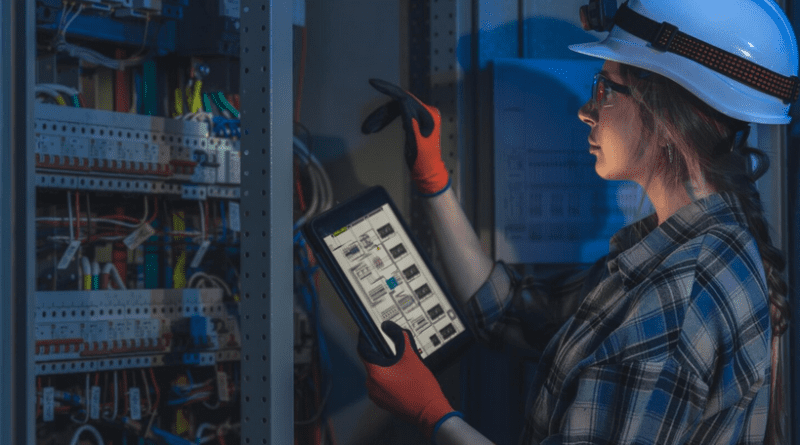
The inspection usually starts at the switchboard. This is mission control for your home’s power supply. Electricians examine circuit breakers for wear, overheating, or improper labeling. They look for outdated components like ceramic fuses. Old systems struggle with modern appliance loads. That mismatch increases fire risk. Loose wiring inside the panel is another red flag. Even small connection issues can generate heat. Heat plus dust equals trouble. Proper grounding is also verified. Grounding stabilizes electrical flow and reduces shock hazards. It’s basic, but critical. A good electrician explains findings clearly.
Inspecting Wiring and Connections
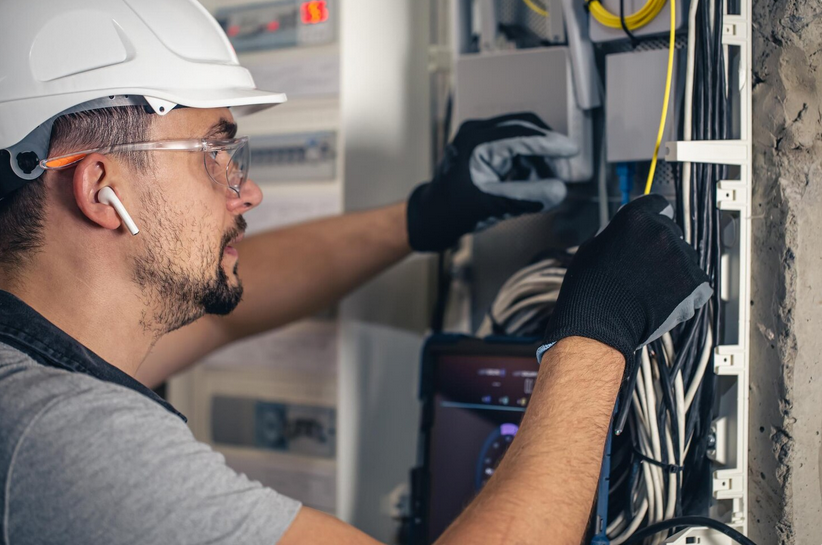
Next comes the wiring. This step often involves checking accessible roof spaces or underfloor areas. Electricians scan for frayed insulation or exposed conductors. Damaged wiring can spark behind walls without warning. Rodents, moisture, and age all contribute to deterioration. That’s why routine checks matter. They also confirm that wiring matches current safety standards. Homes built decades ago may not support today’s power demands. Think air fryers, gaming rigs, and multiple air conditioners. Connections inside outlets and junction boxes are tightened if needed. A loose terminal might seem minor. It isn’t.
Testing Power Points and Light Fixtures
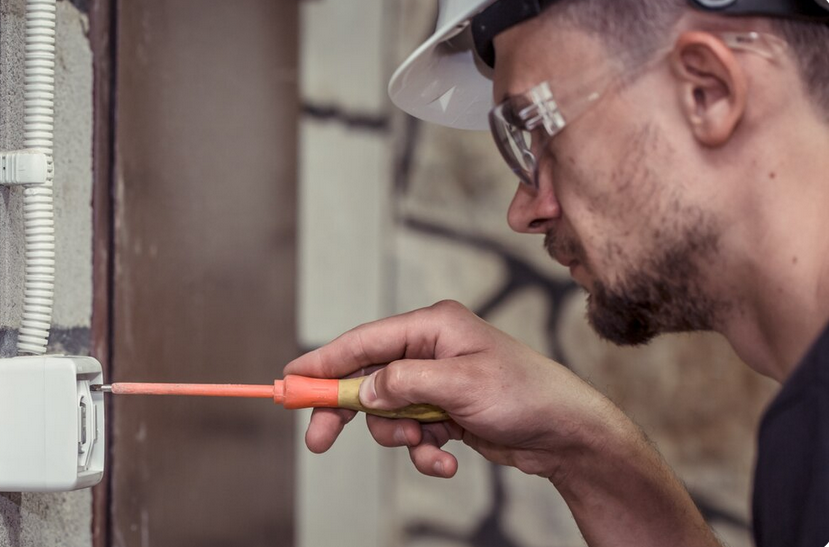
Now we move into everyday territory. Power outlets are tested for correct polarity and grounding. A small handheld tester can reveal hidden faults in seconds. Cracked or discolored sockets signal overheating. That’s a sign the circuit may be overloaded. It’s not something to ignore. Light fittings are examined for secure mounting and safe wiring. Ceiling fixtures, especially older ones, sometimes hide brittle cables. Replacing them prevents bigger headaches later. Switches are flipped repeatedly to check responsiveness. Sticky or delayed action could point to internal wear. Quick replacement keeps things smooth. This stage is hands-on and thorough. It’s about catching risks before they escalate.
Reviewing Safety Devices and Compliance
Safety switches, also known as RCDs, are tested. These devices cut power instantly during a fault. They can literally save lives. Smoke alarms connected to the electrical system are checked, too. Batteries alone aren’t enough in some setups. Integrated alarms add another layer of protection. Compliance with local electrical codes is verified. Regulations change over time. Your home should keep pace. At the end, you receive a report. It outlines issues, priorities, and suggested upgrades. Clear documentation helps you plan next steps.
Why This Inspection Actually Matters
Some homeowners delay inspections. They assume no visible problem means no issue. That assumption can backfire. Electrical faults are often silent and gradually build up risks. A professional inspection protects property value. Buyers often request proof of electrical safety before closing deals. Having a recent report strengthens your position. Most importantly, it protects people. Family, tenants, guests. Electricity is a brilliant servant but a harsh master. A home electrical inspection is just systematic checks, experienced eyes, and practical fixes. And sometimes, the quiet appointments are the ones that matter most.