
Climate-Friendly Housing Begins With Better Use of Existing Space
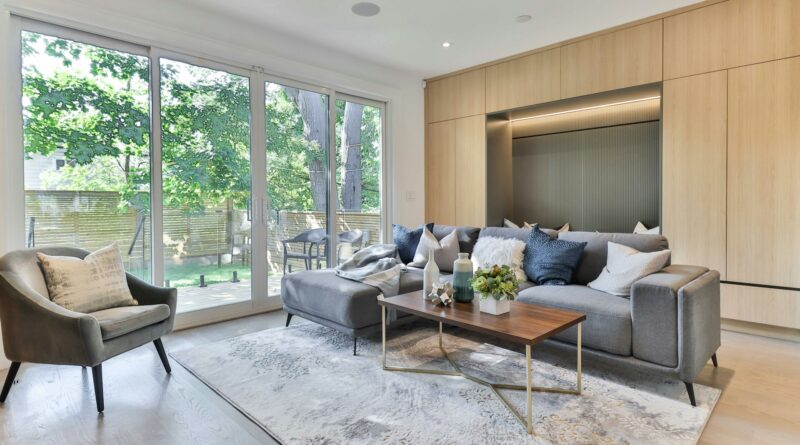
Climate-friendly housing begins with better use of existing space because the greenest home is often the one that’s already standing and ready for a second life. Insights from Wissenschaft.de highlight the importance of comparing construction methods to understand which approach may be most suitable for different homeowners. Aside from that, upgrading and reusing existing buildings can significantly reduce environmental impact while improving everyday living. Building from scratch has its place, but overlooking perfectly usable homes is like throwing away a warm coat because a button came loose. But how is it possible? Here’s the answer.
Existing Homes Already Hold Valuable Resources
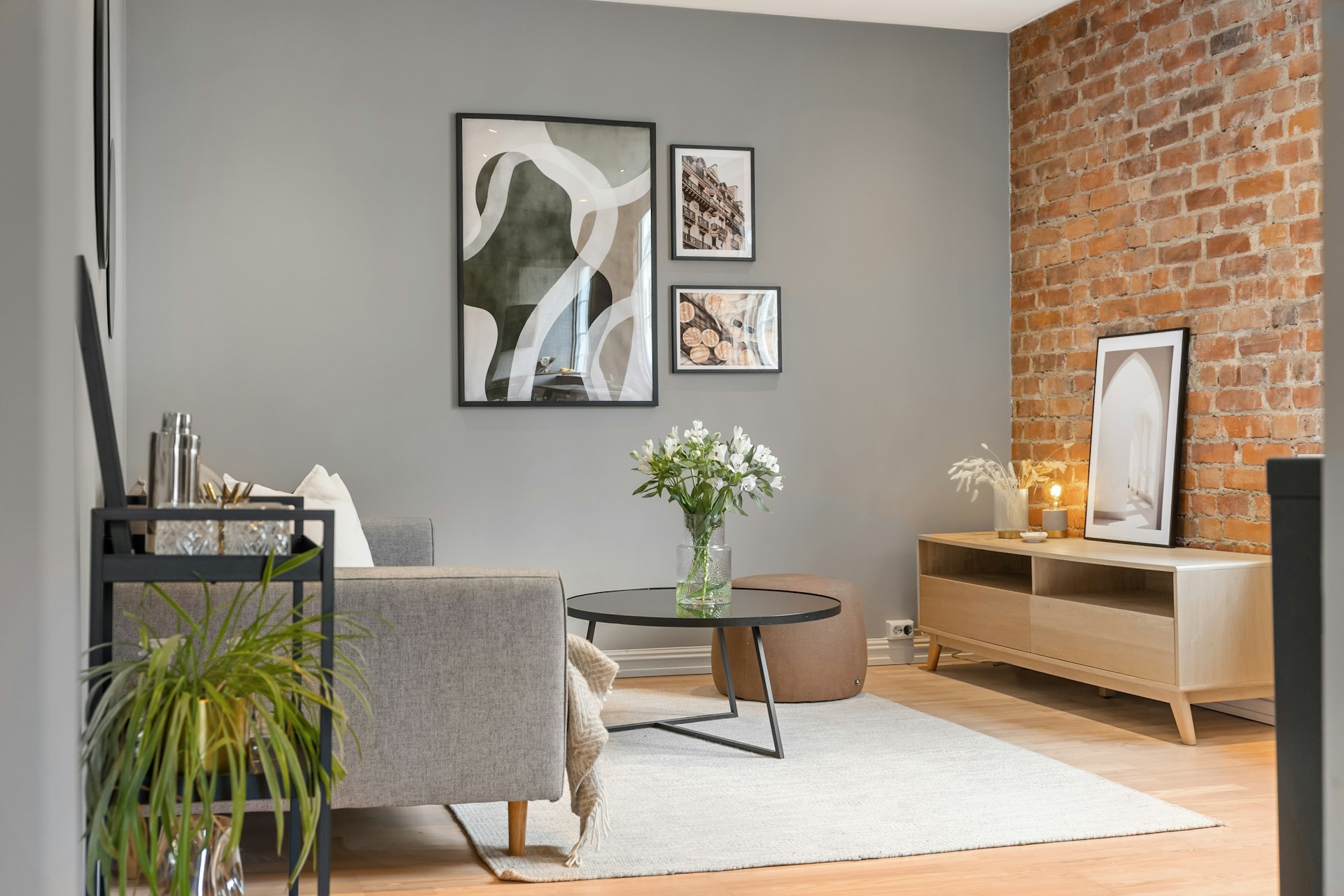
Every house represents years of labor, building materials, and energy invested long before the first family moved in. Tearing it down too quickly means losing much of that value in a single swing of the wrecking ball. Reusing existing structures helps preserve those resources instead of replacing them with new ones. Older properties also bring character that modern construction sometimes struggles to recreate. Brick walls, timber beams, and thoughtful craftsmanship deserve another chapter instead of an early farewell. Renovating those homes gives them fresh purpose without erasing their story.
Thoughtful Renovations Improve Everyday Efficiency
Climate-friendly housing isn’t only about reducing construction waste. Existing homes also benefit from energy-saving improvements that make them more comfortable throughout the year. Better insulation, efficient windows, and sealed air leaks reduce unnecessary energy loss while creating steadier indoor temperatures. Mechanical systems perform better after those improvements are complete. Heating and cooling equipment spends less time working because the building itself does a better job holding comfortable temperatures. That’s like riding a bicycle on smooth pavement instead of pushing through deep sand. Less effort produces better results.
Smarter Space Planning Reduces the Need for Expansion
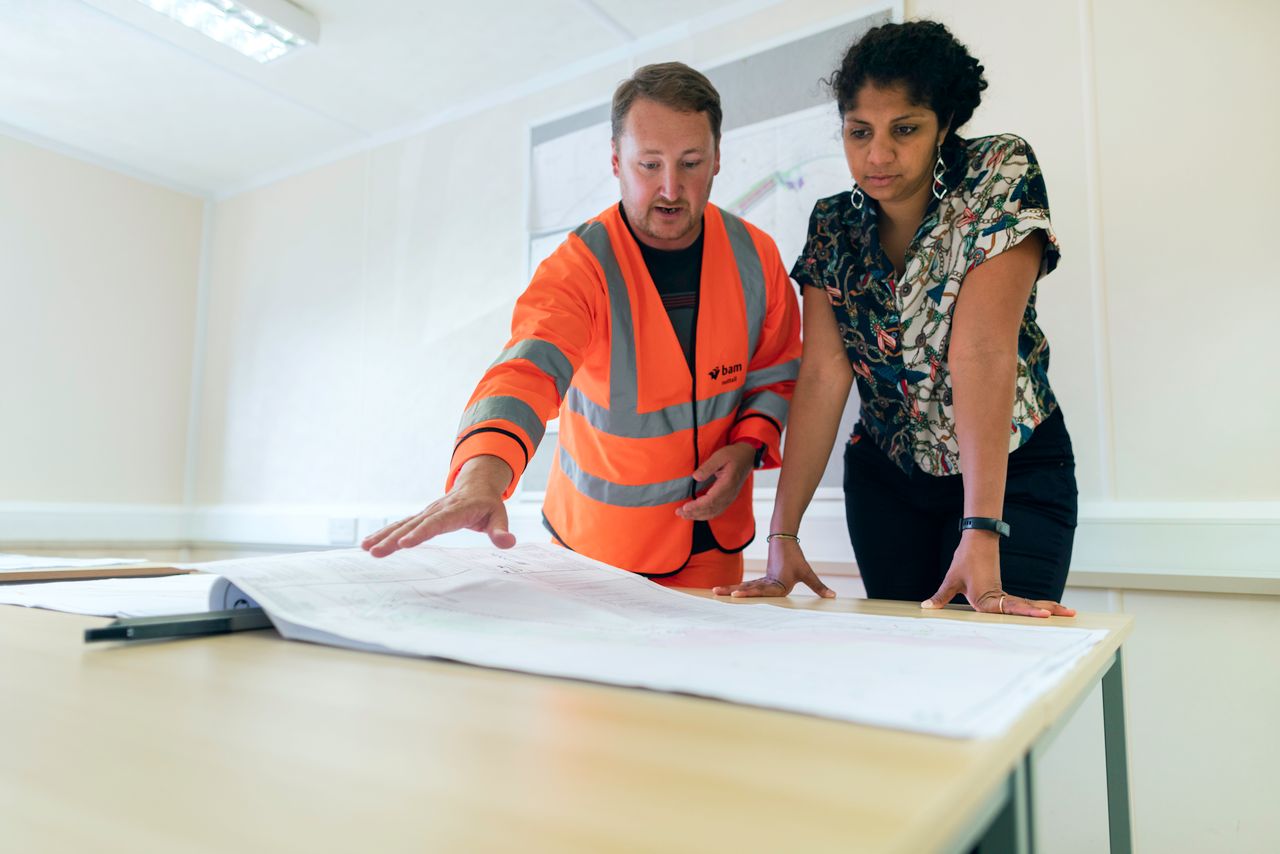
Many families believe they need a larger house when, in reality, they need a better layout. An unused attic, neglected basement, or oversized guest room can often become practical living space with thoughtful planning. Those changes improve daily life without increasing a home’s footprint. Every square foot starts pulling its weight. Flexible rooms also adapt as households change over time. Today’s nursery can become tomorrow’s study, hobby room, or quiet reading retreat. That adaptability allows homeowners to stay where they are instead of moving every time life shifts direction. The house grows alongside the family rather than holding it back.
Neighborhoods Grow Stronger Through Preservation
Keeping existing homes in good condition benefits entire communities. Streets lined with occupied, well-maintained houses often retain their character while welcoming new generations of residents. Local history remains visible through architecture that continues serving modern families. Familiar places stay meaningful instead of disappearing piece by piece. Preservation also reduces disruption. Large demolition projects create noise, dust, and construction waste that can affect nearby residents for months. Improving existing homes usually requires fewer resources while allowing neighborhoods to evolve gradually. Slow, thoughtful change often creates stronger long-term results than constant rebuilding.
Small Decisions Create Lasting Environmental Benefits
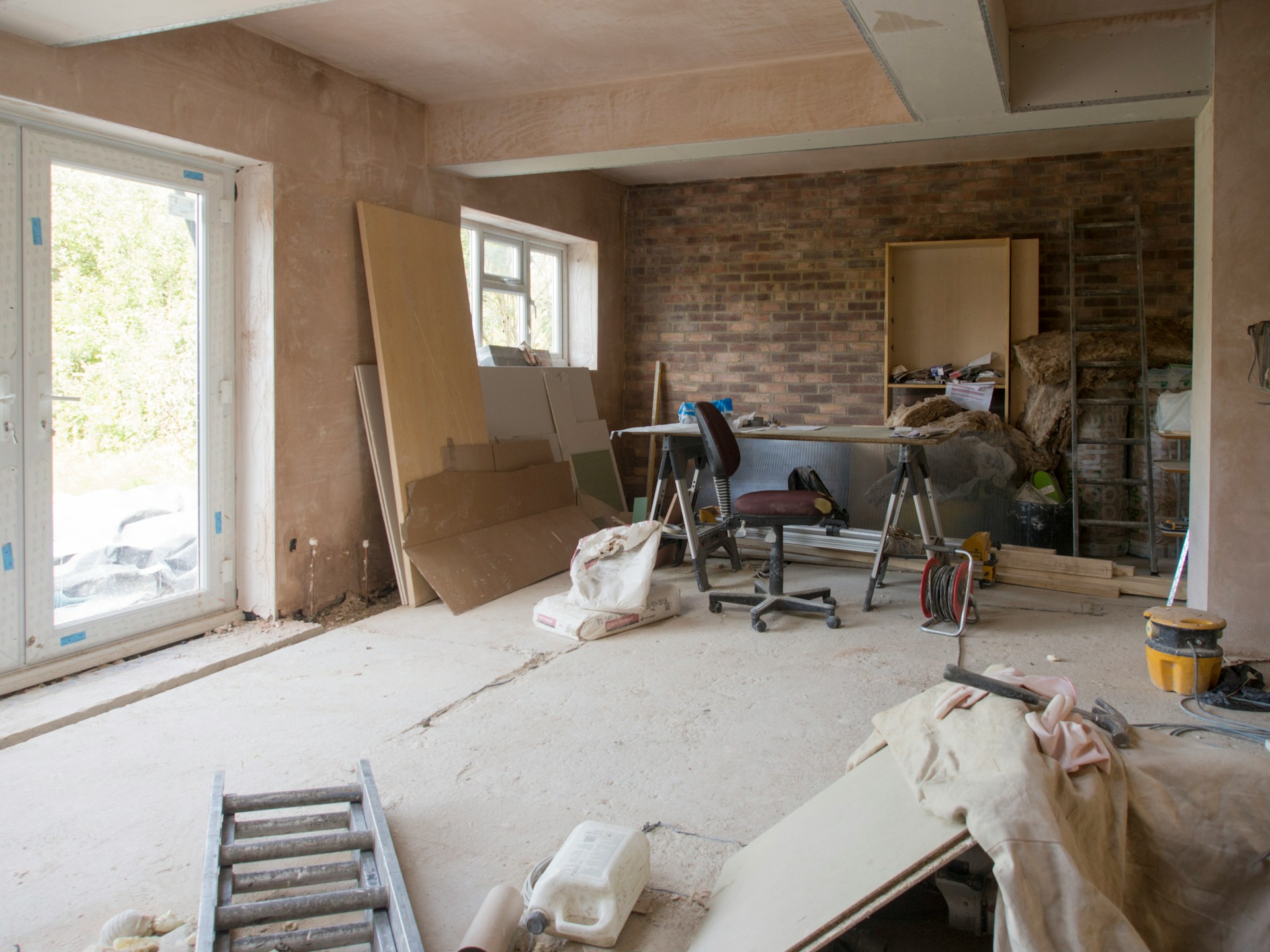
Creating climate-friendly housing doesn’t depend on one dramatic project. It grows through practical decisions repeated across thousands of homes. Renovating instead of replacing, improving unused rooms, upgrading insulation, and extending a building’s useful life all contribute to lower environmental impact. The strongest housing solutions often begin with a simple question: what already exists that can work better? Looking at homes through that lens encourages smarter investments, greater comfort, and a more sustainable future.
Instead of treating older buildings as problems waiting to be replaced, homeowners can see them as opportunities waiting to be refreshed. That’s a perspective that benefits families, neighborhoods, and the environment for many years to come.