

Why Construction Sequencing Supports Better Quality Control
Every construction project follows a series of connected steps. Before walls are framed or roofs are installed, crews must complete groundwork, foundations, and structural work in the correct order. This planned order is known as construction sequencing. It organizes tasks so each phase prepares the site for the next one. While sequencing helps projects stay on schedule, it also plays a major role in maintaining quality. Insights from https://www.haustechnikdialog.de/News/31572/Von-U-Wert-bis-GWP-Welche-Kennzahlen-fuer-nachhaltiges-Bauen-wirklich-zaehlen?showcode=f0efb5f6cb also highlight the importance of meeting construction standards and performance benchmarks throughout every building phase, reinforcing the value of an organized workflow. When construction activities happen in the proper sequence, inspections become more effective, mistakes are easier to identify, and completed work is better protected from damage. Understanding why construction sequencing supports better quality control helps explain why organized planning remains essential from the beginning of a project until its final inspection.
Organized Construction Activities
Quality construction begins with a logical workflow. Every building system depends on another system being completed correctly beforehand. For example, foundation work must finish before structural framing begins. Electrical and plumbing systems are installed before insulation, and drywall covers them. Roofing protects the structure before interior finishing starts. This organized progression allows every trade to complete its responsibilities without interfering with previous work. When tasks follow the planned sequence, crews work more efficiently while maintaining consistent construction standards throughout the project.
Minimized Costly Rework
One of the biggest threats to construction quality is having to repeat completed work. Rework often happens when activities occur too early or without confirming that previous stages meet project requirements. If inspections are skipped or construction continues before corrections are made, hidden problems may remain inside the building. Discovering these issues later usually requires removing finished materials, increasing both labor and costs. Proper sequencing reduces this risk by allowing each stage to be reviewed before the next one begins. Addressing small concerns early prevents them from becoming larger structural or installation problems later.
Thorough Inspections
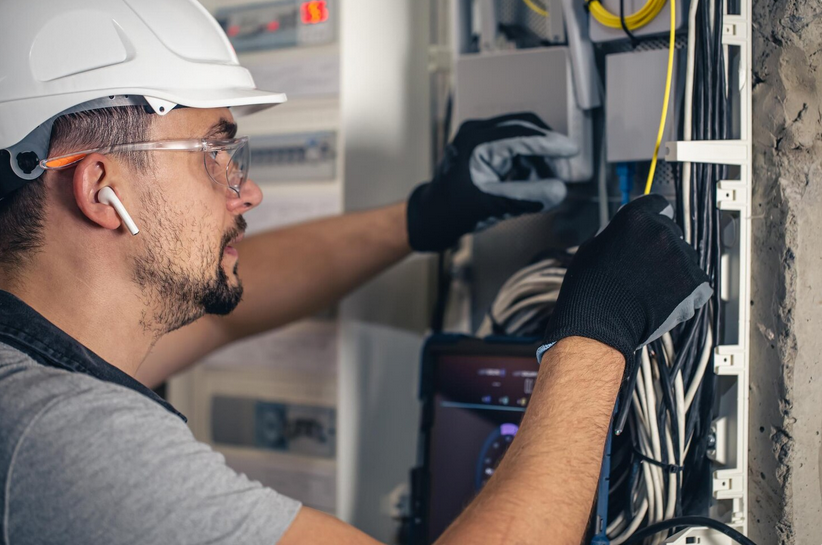
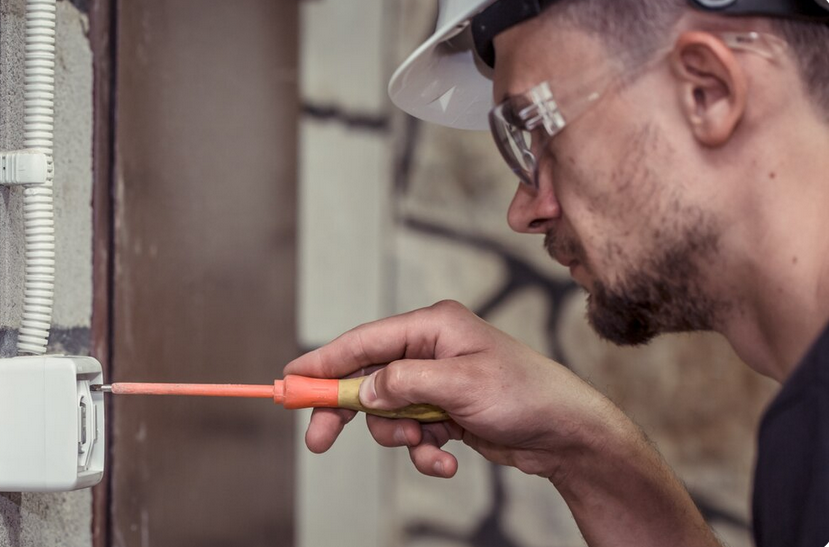
Construction inspections are most effective when each building phase remains fully visible. Inspectors need clear access to structural components, utility systems, and installation details before they become concealed. Sequencing creates natural inspection points throughout the project. Foundations can be evaluated before concrete placement continues. Structural framing can be reviewed before walls are enclosed. Plumbing and electrical systems can be examined before insulation and drywall are installed. These planned checkpoints improve quality by confirming that work meets project specifications before construction moves forward. Regular inspections help maintain consistent standards from start to finish.

Well-Protected Completed Work
Construction sites remain active environments where multiple trades perform different tasks over extended periods. Completed work may become damaged if later activities are not carefully coordinated. Proper sequencing minimizes unnecessary traffic through finished areas. Flooring is usually installed after heavier equipment has been removed. Interior finishes often wait until exterior work reduces exposure to weather. Windows may be protected until surrounding construction has been completed. This careful ordering helps preserve completed work while reducing repairs caused by accidental damage during later stages of construction.
Improved Trade Coordination
Modern buildings require many specialized trades working together throughout construction. Carpenters, electricians, plumbers, HVAC technicians, roofers, painters, and finish installers each contribute different parts of the project. Sequencing helps coordinate these teams so everyone understands when their work begins and ends. Clear scheduling reduces …
Read More







 Cities are always short on space, but prefab homes excel in these tight environments. Compact modular designs can be dropped neatly into small infill lots without months of noisy construction. Since many sections are built off-site, urban builds often face fewer disruptions and can meet strict local building timelines. For professionals or young families who want to stay close to work and amenities, prefab homes offer a modern, space-savvy solution that makes the most of every square foot in crowded neighborhoods.









 The bed is the focal point of any bedroom, making it the most critical element to consider when designing a sleep-friendly space. Invest in a high-quality mattress that suits your comfort needs, as a good mattress can alleviate body aches and provide the support necessary for a restful night’s sleep. Additionally, choose bedding that is soft, breathable, and comfortable. Natural fabrics like cotton or linen are excellent choices as they allow your skin to breathe and help regulate body temperature.
 The senses play a crucial role in sleep quality. Incorporating soothing scents like lavender, chamomile, or sandalwood through candles, essential oil diffusers, or pillow sprays can promote relaxation. These aromas have been shown to reduce stress and anxiety, creating a calming effect that prepares the body for sleep. Additionally, consider using a white noise machine or a fan to create a gentle hum that can drown out disruptive noises and provide a consistent sound environment, helping you drift off more easily.










 Compatibility is a crucial factor when selecting smart bulbs for your outdoor lighting setup. Ensure that the smart bulbs you choose are compatible with your existing smart home ecosystem or the specific smart hub you plan to use. Whether it’s Wi-Fi, Zigbee, or Z-Wave, understanding the compatibility requirements allows you to integrate the smart bulbs into your outdoor lighting system seamlessly. Consider the brand reputation, app compatibility, and ease of integration with other smart devices to create a cohesive and efficient smart home experience.
 Consider the lighting features and customization options offered by the smart bulbs. Look for bulbs that provide a wide range of color temperature and brightness control to create different atmospheres and moods in your outdoor space. Dimmable smart bulbs offer flexibility and allow you to adjust the intensity of the light as needed. Additionally, explore smart bulbs that offer scheduling, motion detection, or other automated features to enhance convenience and energy efficiency.










 Pruning is an essential part of cannabis cultivation – it encourages new growth and helps to keep the plant healthy. Pruning your plants correctly can also help increase the potency of your buds. Ensure you’re pruning at the right time, and don’t over-prune – this could weaken the plant and decrease bud quality. Increasing the potency of your buds doesn’t have to be complicated – just follow these seven tips, and you’ll be on your way to a more potent crop! Ensure you’re providing your plants with optimum lighting, monitoring temperature, and humidity levels, choosing seeds with high THC potential, pruning correctly, flushing before harvesting, and curing properly. With these tips, you’ll be sure to get the most out of your cannabis buds.…
 The size is one of the most critical factors you must consider when choosing a water softener. If you get a water softener that’s too small, it won’t be able to
  Of course, your budget is also a factor you have to consider when choosing a
 Hardwood floors are built to last. With proper care and maintenance, they can easily last for decades. This is a big selling point for many homeowners, as it means they won’t have to replace their floors anytime soon. Additionally, hardwood floors are very durable and can withstand a lot of wear and tear.
 If your hardwood floors ever start to show signs of wear and tear, they can easily be refinished. This process involves sanding down the floor and then applying a new finish.
 Finally, hardwood floors are a great choice because they can go anywhere in your home. Unlike carpet, which is often limited to certain rooms, hardwood floors can be installed in any room of your house. This gives you a lot of flexibility when it comes to design, and means that you won’t have to worry about finding flooring that matches the rest of your house.
 One of the biggest benefits of using plaster on your walls is that it can add texture and dimension to your space.
 One of the benefits of plaster is that it is easy to install. You can do it yourself, and it doesn’t require a lot of tools or expertise. This makes it an excellent option for people who want to update their homes on a budget. You don’t need to hire a contractor, and you can save money on materials. This is a great option for people who want to remodel their homes independently.
 Hiring the best real estate agent is essential when selling your home. Not only will they have a wealth of experience and knowledge, but they’ll also have access to a wide range of resources that you may not have. They’ll be able to market your home in the right way, get it seen by the right people, and ultimately, get it sold. The best real estate agents are individuals who have been in the industry for many years and understand how important it is to provide excellent customer service.
 If your home needs some repairs, now is the time to fix them. The last thing you want is for potential buyers to see something that needs repairing and turn off from buying your home. You also don’t want them to think that they’ll have to spend a lot of money on repairs once they buy it. Some simple repairs and cosmetic fixes can make a huge difference in how your home looks to buyers.…