
Why Construction Sequencing Supports Better Quality Control
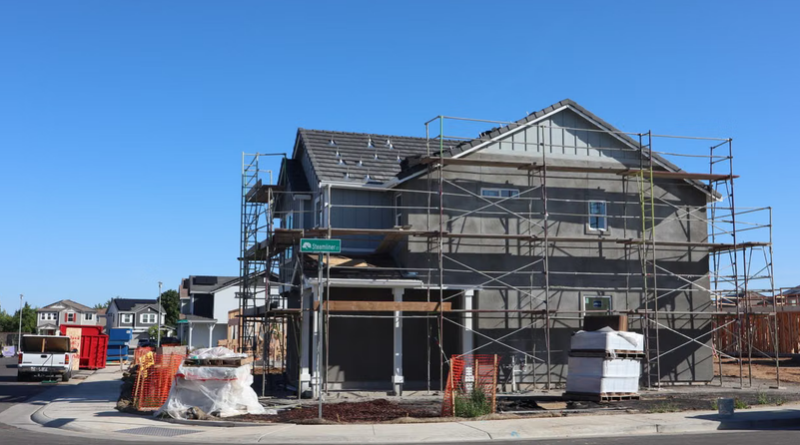
Every construction project follows a series of connected steps. Before walls are framed or roofs are installed, crews must complete groundwork, foundations, and structural work in the correct order. This planned order is known as construction sequencing. It organizes tasks so each phase prepares the site for the next one. While sequencing helps projects stay on schedule, it also plays a major role in maintaining quality. Insights from https://www.haustechnikdialog.de/News/31572/Von-U-Wert-bis-GWP-Welche-Kennzahlen-fuer-nachhaltiges-Bauen-wirklich-zaehlen?showcode=f0efb5f6cb also highlight the importance of meeting construction standards and performance benchmarks throughout every building phase, reinforcing the value of an organized workflow. When construction activities happen in the proper sequence, inspections become more effective, mistakes are easier to identify, and completed work is better protected from damage. Understanding why construction sequencing supports better quality control helps explain why organized planning remains essential from the beginning of a project until its final inspection.
Organized Construction Activities
Quality construction begins with a logical workflow. Every building system depends on another system being completed correctly beforehand. For example, foundation work must finish before structural framing begins. Electrical and plumbing systems are installed before insulation, and drywall covers them. Roofing protects the structure before interior finishing starts. This organized progression allows every trade to complete its responsibilities without interfering with previous work. When tasks follow the planned sequence, crews work more efficiently while maintaining consistent construction standards throughout the project.
Minimized Costly Rework
One of the biggest threats to construction quality is having to repeat completed work. Rework often happens when activities occur too early or without confirming that previous stages meet project requirements. If inspections are skipped or construction continues before corrections are made, hidden problems may remain inside the building. Discovering these issues later usually requires removing finished materials, increasing both labor and costs. Proper sequencing reduces this risk by allowing each stage to be reviewed before the next one begins. Addressing small concerns early prevents them from becoming larger structural or installation problems later.
Thorough Inspections
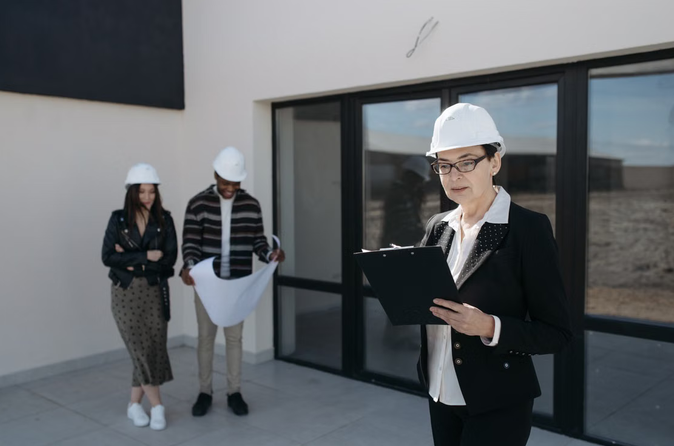
Construction inspections are most effective when each building phase remains fully visible. Inspectors need clear access to structural components, utility systems, and installation details before they become concealed. Sequencing creates natural inspection points throughout the project. Foundations can be evaluated before concrete placement continues. Structural framing can be reviewed before walls are enclosed. Plumbing and electrical systems can be examined before insulation and drywall are installed. These planned checkpoints improve quality by confirming that work meets project specifications before construction moves forward. Regular inspections help maintain consistent standards from start to finish.
Well-Protected Completed Work
Construction sites remain active environments where multiple trades perform different tasks over extended periods. Completed work may become damaged if later activities are not carefully coordinated. Proper sequencing minimizes unnecessary traffic through finished areas. Flooring is usually installed after heavier equipment has been removed. Interior finishes often wait until exterior work reduces exposure to weather. Windows may be protected until surrounding construction has been completed. This careful ordering helps preserve completed work while reducing repairs caused by accidental damage during later stages of construction.
Improved Trade Coordination
Modern buildings require many specialized trades working together throughout construction. Carpenters, electricians, plumbers, HVAC technicians, roofers, painters, and finish installers each contribute different parts of the project. Sequencing helps coordinate these teams so everyone understands when their work begins and ends. Clear scheduling reduces conflicts where multiple trades compete for the same workspace. Better coordination also allows each contractor to complete work without rushing or working around unfinished installations. As communication improves between teams, overall construction quality becomes easier to maintain across every stage of the project.
Consistent Building Standards
Quality control depends on consistency. Every phase should meet established project requirements before construction continues to the next stage. Sequencing provides an organized framework that encourages careful workmanship throughout the project. Project managers can monitor progress more effectively because work follows predictable milestones. Documentation, inspections, material deliveries, and workforce scheduling become easier to manage within an organized sequence. This structured approach reduces variability while helping every completed phase meet expected quality standards. Consistent execution strengthens the finished building and supports long-term performance.
Construction sequencing supports better quality control by organizing construction activities, preventing costly rework, supporting thorough inspections, protecting completed work, improving trade coordination, and maintaining consistent building standards. Each phase builds upon the previous one, making proper sequencing essential for achieving reliable results. Understanding why construction sequencing supports better quality control demonstrates that successful construction depends on more than skilled labor and quality materials. Careful planning determines when every activity should occur so completed work can be inspected, protected, and properly integrated into the overall structure. By following an organized construction sequence, builders improve efficiency while delivering buildings that meet high standards of safety, durability, and long-term performance.