Sun, Rain, and Rot: What Every Homeowner Needs to Know About Shed, Deck, and Fence Protection
Your outdoor structures—like sheds, decks, and fences—put up with a lot. From blazing sun and heavy rain to freezing snow and strong winds, the elements are always working against them. Over time, this exposure can cause serious wear and tear, leading to rot, fading, and even structural damage. The good news? With the right maintenance and a little bit of seasonal effort, you can keep these outdoor essentials looking great and standing strong for years. If you’re wondering where to start, this guide breaks it all down for you in simple, no-fuss terms.
Understanding the Elements: Your First Line of Defence
Before you can properly protect your outdoor structures, it helps to understand what you’re up against. Sunlight can dry out and bleach wood, leading to fading and cracks. Rain and snow introduce moisture, which can seep in and cause rot or mold. And then there’s the freeze-thaw cycle—when water gets into tiny cracks and expands in cold weather, making the damage even worse. That’s why it’s so important to know how to protect your shed, fence, and deck before the damage starts. Using sealants, stains, or weatherproof paint is one way to defend against water and UV damage. Regular checks for peeling, chipping, or soft spots can also catch problems early before they turn into expensive repairs.
Regular Cleaning Prevents Long-Term Damage
It might not sound glamorous, but simple cleaning is a big part of keeping outdoor structures in good shape. Dirt and debris trap moisture, which can accelerate rot. Leaves left piled against a shed or fence can lead to mildew, while mold on your deck can make it slippery and unsafe. A quick scrub with soapy water or a blast from the pressure washer every season can make a big difference. This is also the perfect time to inspect for signs of trouble—like loose boards, rusted nails, or warped planks—so you can fix them before they get worse.
Seal, Stain, or Paint: Choose the Right Protection
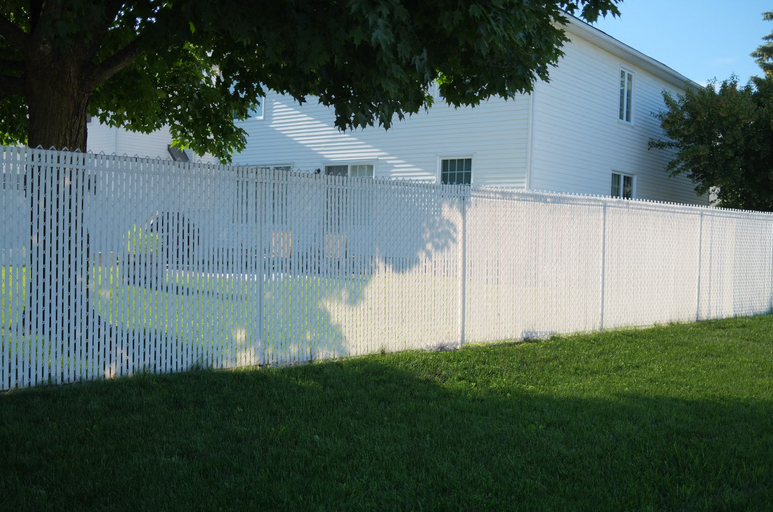
When it comes to shielding wood from the elements, your best tools are stains, sealants, and paints. Each option has its benefits, depending on the look you’re going for and how much protection you need. A good water-repellent sealant can keep moisture out while showing off the natural grain of your wood. Stains add color and protection in one go, while paint offers the most coverage but may need more frequent upkeep. The key is to apply your chosen finish on a dry, clean surface and reapply it every couple of years—or sooner if you notice signs of wear.
Don’t Forget Hardware and Structural Support
It’s easy to focus on the wood itself, but the hardware and foundation of your shed, deck, or fence matter just as much. Rusted nails, loose screws, or corroded brackets can weaken the entire structure over time. Make it a habit to tighten bolts, replace damaged fasteners, and check for signs of shifting or settling—especially after a tough season of storms or snow. Taking care of the little things helps the big things last longer.
Your shed, deck, and fence work hard to make your outdoor space functional and beautiful—but they can’t take care of themselves. A little attention goes a long way when it comes to defending them from the effects of sun, rain, and …
Read More